Buy ksbog.com ?
We are moving the project
ksbog.com .
Are you interested in purchasing the domain
ksbog.com ?
domain@kv-gmbh.de · 0541-91531010
Buy ksbog.com ?
What does the song lyrics of "Je vole" mean?
The song "Je vole" by Louane is about a person who feels trapped and suffocated in their current situation. The lyrics express a desire to break free and fly away from the constraints and limitations that are holding them back. The song conveys a sense of longing for freedom and a new beginning, as well as a determination to overcome obstacles and pursue one's dreams. Overall, "Je vole" is a powerful anthem about resilience, hope, and the courage to soar above adversity. **
Are there piano notes for "Je vole" by Louane or Michel Sardou?
Yes, there are piano notes available for "Je vole" by Louane, which is a cover of the original song by Michel Sardou. You can find piano sheet music for both versions online or in music stores. These piano notes will allow you to play the melody and accompaniment of the song on the piano. **
Similar search terms for Je vole
Top-Angebote
Products related to Je vole:




-
What does "je oller, je doller" actually mean?
"Je oller, je doller" is a German proverb that translates to "the older, the crazier" in English. It is used to convey the idea that as people age, they tend to become more eccentric or quirky in their behavior. This saying suggests that with age comes a certain level of unpredictability or unconventional thinking. **
-
Do I say 'je paie' or 'je paye'?
The correct spelling is "je paie." In French, the verb "payer" is conjugated with an "e" in the first person singular form, so it becomes "je paie." The spelling "je paye" is incorrect. **
-
What is used more often, "je hebt" or "je hebt"?
The correct phrase is "je hebt" which means "you have" in English. This phrase is used more often in Dutch compared to "je hebt" which is not a correct phrase in the language. "Je hebt" is used to indicate possession or to talk about having something in the present tense. **
-
What does "mi amore vole fe yah" mean?
"Mi amore vole fe yah" is a phrase in Italian that translates to "my love wants to make love to you" in English. It is a romantic and passionate expression of desire and affection. **

When do you use "je peux" and when do you use "je puis"?
"Je peux" is the more common and modern way to say "I can" in French, and it is used in everyday language. On the other hand, "je puis" is a more formal and old-fashioned way to express the same idea. It is rarely used in contemporary French and is mostly found in formal writing or literature. **
What is the correct sentence: Je te pense or Je pense à toi?
The correct sentence is "Je pense à toi." This means "I am thinking of you" in French. "Je te pense" is not a correct sentence in French. **
Top-Angebote
Products related to Je vole:
-
What does the song lyrics of "Je vole" mean?
The song "Je vole" by Louane is about a person who feels trapped and suffocated in their current situation. The lyrics express a desire to break free and fly away from the constraints and limitations that are holding them back. The song conveys a sense of longing for freedom and a new beginning, as well as a determination to overcome obstacles and pursue one's dreams. Overall, "Je vole" is a powerful anthem about resilience, hope, and the courage to soar above adversity. **
-
Are there piano notes for "Je vole" by Louane or Michel Sardou?
Yes, there are piano notes available for "Je vole" by Louane, which is a cover of the original song by Michel Sardou. You can find piano sheet music for both versions online or in music stores. These piano notes will allow you to play the melody and accompaniment of the song on the piano. **
-
What does "je oller, je doller" actually mean?
"Je oller, je doller" is a German proverb that translates to "the older, the crazier" in English. It is used to convey the idea that as people age, they tend to become more eccentric or quirky in their behavior. This saying suggests that with age comes a certain level of unpredictability or unconventional thinking. **
-
Do I say 'je paie' or 'je paye'?
The correct spelling is "je paie." In French, the verb "payer" is conjugated with an "e" in the first person singular form, so it becomes "je paie." The spelling "je paye" is incorrect. **
Similar search terms for Je vole
-
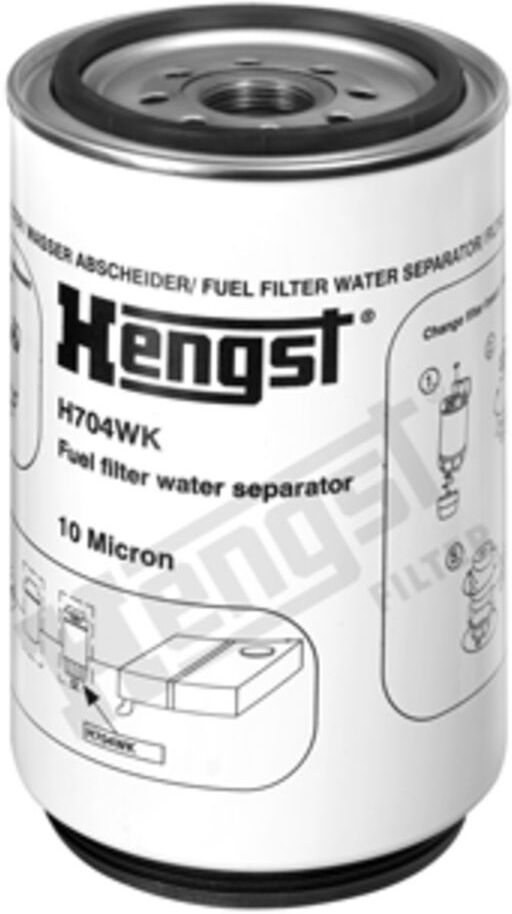
Polttoainesuodatin Hengst Filtration H704wkIndeksi: H704WK. Kierremitta: 1-14 UNS. Korkeus (mm): 182. Suodatintyyppi: Ruuvattava suodatin. Tiivisteen läpimitta [mm]: 91. Ulkoläpimitta [mm]: 112. Valmistaja: Hengst Filtration. Valmistajan numero: H704WK.31,78 €*Shipping: 10,99 €Secure redirect to the provider
-
What is used more often, "je hebt" or "je hebt"?
The correct phrase is "je hebt" which means "you have" in English. This phrase is used more often in Dutch compared to "je hebt" which is not a correct phrase in the language. "Je hebt" is used to indicate possession or to talk about having something in the present tense. **
-
What does "mi amore vole fe yah" mean?
"Mi amore vole fe yah" is a phrase in Italian that translates to "my love wants to make love to you" in English. It is a romantic and passionate expression of desire and affection. **
-
When do you use "je peux" and when do you use "je puis"?
"Je peux" is the more common and modern way to say "I can" in French, and it is used in everyday language. On the other hand, "je puis" is a more formal and old-fashioned way to express the same idea. It is rarely used in contemporary French and is mostly found in formal writing or literature. **
-
What is the correct sentence: Je te pense or Je pense à toi?
The correct sentence is "Je pense à toi." This means "I am thinking of you" in French. "Je te pense" is not a correct sentence in French. **
* All prices are inclusive of VAT and, if applicable, plus shipping costs. The offer information is based on the details provided by the respective shop and is updated through automated processes. Real-time updates do not occur, so deviations can occur in individual cases. ** Note: Parts of this content were created by AI.